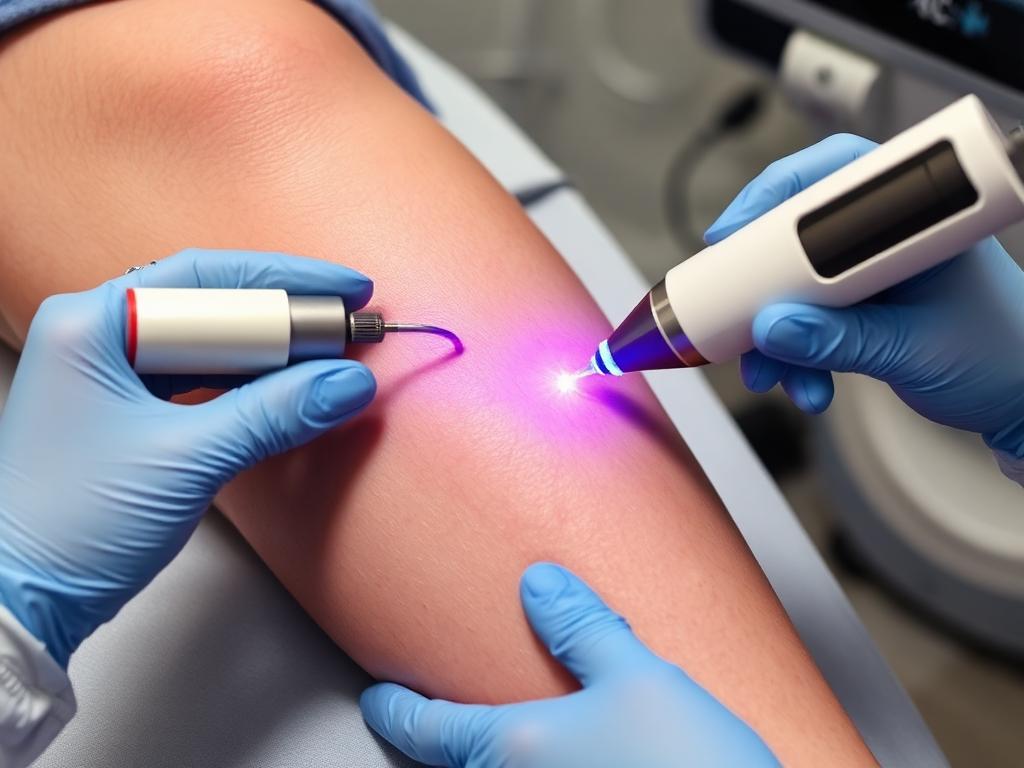
Laser Fistula Surgery (FiLaC) in Hyderabad
An anal fistula is an abnormal tunnel that develops between the anal canal and the skin around the anus, usually after an infected gland or abscess. Traditional fistula surgery risks damaging the sphincter muscle, which can affect continence. FiLaC (Fistula-tract Laser Closure) uses a radial laser fibre to ablate the fistula tract from within — preserving the sphincter completely.
Symptoms
- Recurrent pus or blood discharge near the anus
- Pain and swelling around the anal area
- Skin irritation or itching near the opening
- Fever during flare-ups
- A visible small opening on the perianal skin
Common Causes
- Previous perianal abscess
- Inflammatory bowel disease (Crohn's)
- Tuberculosis (rare in India today)
- Trauma or previous anal surgery
- Unknown / idiopathic in many cases
The Procedure
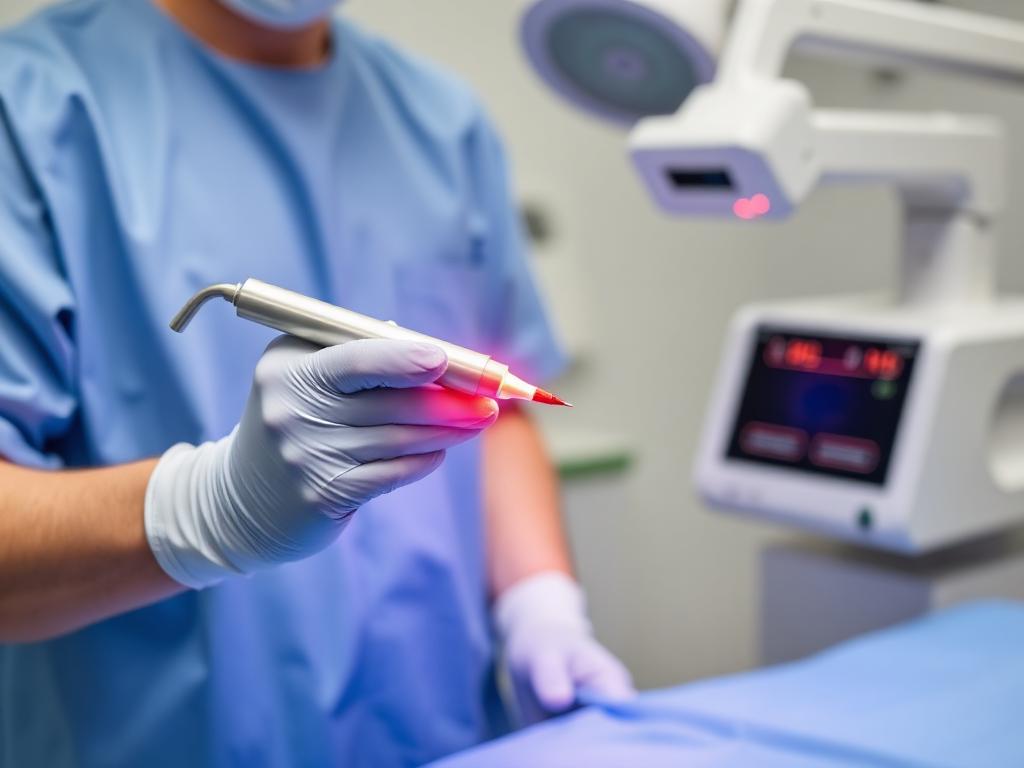
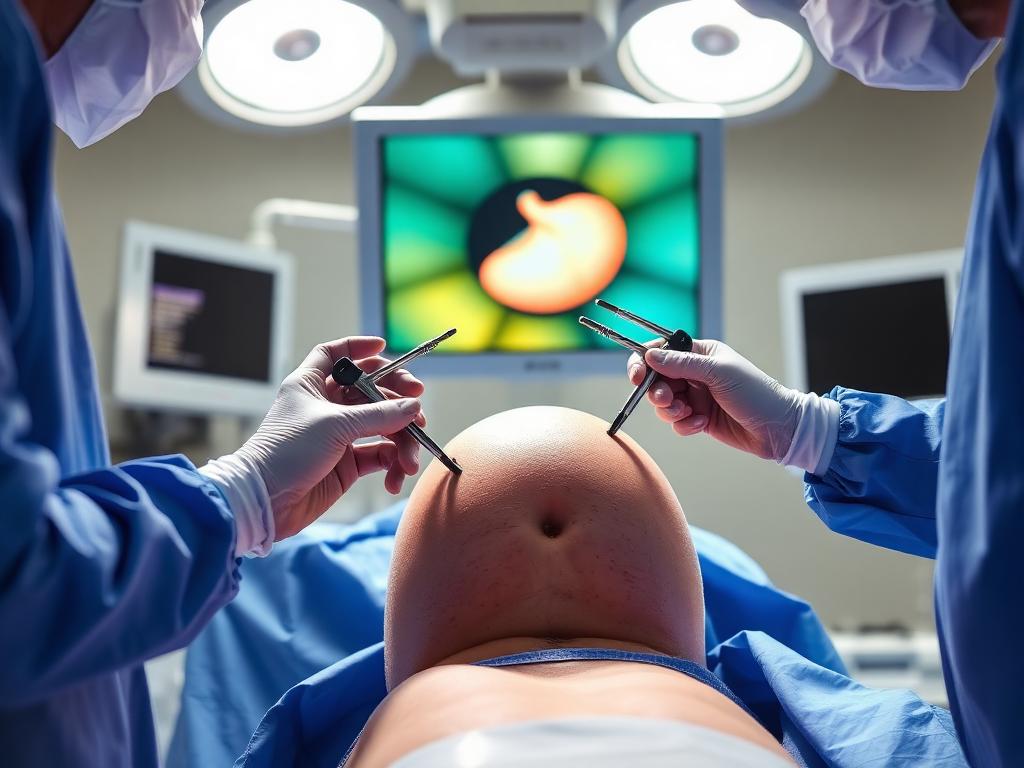
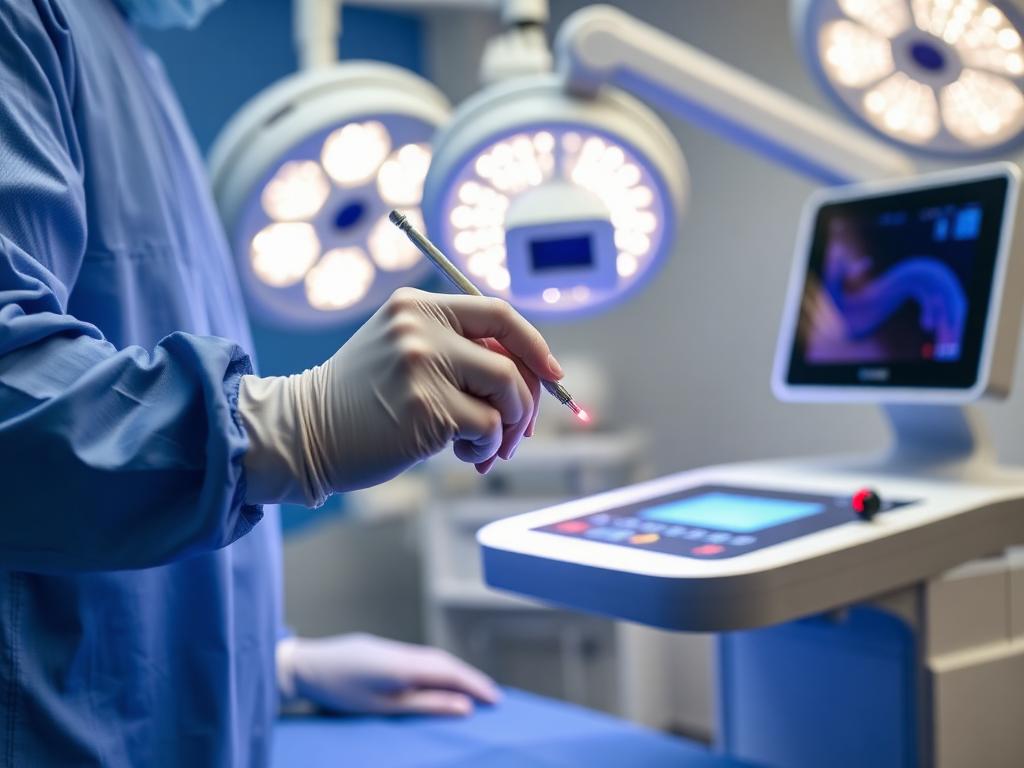
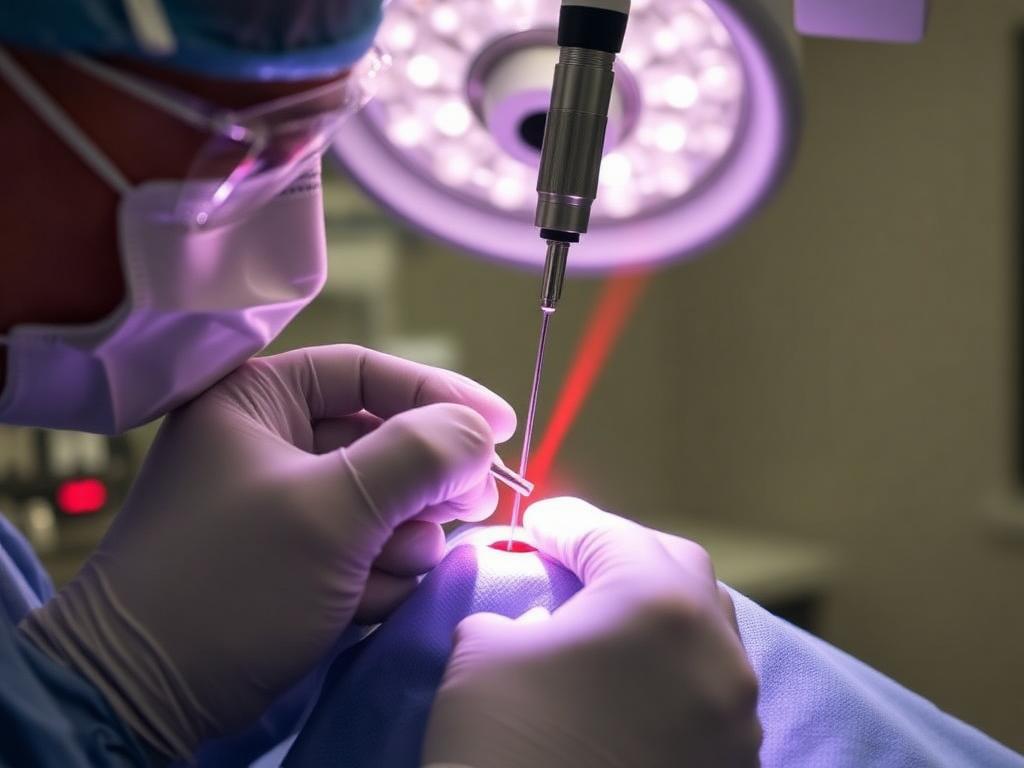
Under short spinal or general anaesthesia, the fistula tract is identified. A thin radial laser fibre is passed through the entire tract, and laser energy is delivered as the fibre is slowly withdrawn — sealing the tract from within without cutting any sphincter muscle.
- 1Short anaesthesia and examination under anaesthesia
- 2Fistula tract mapped completely
- 3Radial laser fibre passed through the tract
- 4Controlled laser energy seals the tract
- 5No cuts to the sphincter muscle
Benefits
- Sphincter muscle 100% preserved — no incontinence risk
- Daycare procedure, same-day discharge
- Return to work within 2-3 days
- Minimal post-op pain vs open fistulotomy
- Repeatable if needed — no bridge burned
Recovery Timeline
- Day 0: Discharge 3-4 hours post-op
- Day 1-2: Mild discomfort, oral medicines
- Day 3: Return to desk work
- Week 1-4: Sitz baths and dressings
- Week 6: Follow-up for tract healing assessment
Cost in Hyderabad
Cost depends on tract complexity (simple vs branched), anaesthesia, and hospital package. Insurance approvals assisted.
Frequently Asked Questions
Will laser fistula surgery affect my continence?+
No. FiLaC preserves the sphincter muscle completely — this is the biggest advantage over traditional fistulotomy or seton procedures.
What is the success rate of FiLaC?+
Primary healing rate is 65-75% for simple fistulas. Complex or branched fistulas may need a second session — still without any sphincter damage.
Is FiLaC painful?+
Post-op pain is significantly less than conventional fistulotomy. Most patients manage with oral pain medicines for 2-3 days.
Can complex or high fistulas be treated with laser?+
Yes. High trans-sphincteric fistulas, which are risky for conventional surgery, are ideal candidates for FiLaC because the sphincter is preserved.
Does insurance cover FiLaC?+
Yes. Laser fistula treatment is covered by most health insurance policies as a daycare or short-stay procedure.
Consult Dr Sandeep Katakam
Get an honest opinion on whether laser fistula surgery (filac) is right for you.
Other Procedures